Earth toDay

AS we speak, billions of people across the Earth are cooling heels at home, practicing own methods of social distancing based on their own understanding of the severity of the Coronavirus pandemic.

This unique situation imposed upon us by the potentially dangerous pathogen, proliferated by human excesses and abuse of nature, its resources and constituents or just stupidity. Now, whether it is man-made or nature’s gift is subject to speculation and various debates are on both scientifically and politically motivated. Whatever be the case, as on date 25+ lakh people are infected, ~7.5 lakh have recovered, and ~1 lakh have died, majority in the most powerful nation, the US followed by Europeans. All this mayhem in a just over 100 days since it was discovered in Wuhan, China, and ~80 days since WHO declared Covid-19 as a pandemic – the coronavirus has spread to every continent, except Antarctica, affecting 211 countries. Each country has reacted differently, few instructed with force, some advised its citizens to keep away from each other.

Social Distancing is the new normal. Covering up and practicing hygiene is not even an option any more.

World economy suffers terribly, Countries would lose Trillions, if not Zillions in trying to keep businesses afloat, to ensure people out of jobs are supported in some way, the poor and homeless would get food to eat – while fighting to keep the virus in check. The new Coronavirus isn’t as bad as it is made out to be – with an infection rate of 4k/ml in Spain to XX% and a death rate ranging between 13.3% in Italy to 0.56% in Iceland; common seasonal influenza virus claims 6.5 lakh people worldwide.

The rainbow in this worldwide storm: Nature, undisturbed by human activities and interventions, aided by countries under various stages of lockdown in the past month, is cleaning up, and the environment starts to feels fresh again. Rivers, flowing with urban wastewater for decades and declared dead, are now clean and water is fit to drink! Air pollution is at its lowest, with clear skies. Hopefully, once the virus’ imperious march stops in its tracks, humans will emerge healthy, fit and immune to Covid – and more importantly, very concerned to protect and improve the environment.

Meanwhile, the world is continuing to witness the impact of unsustainable and sometimes dangerous practices – vanishing rainforests and graveled hills, drying up lakes and under groundwater streams, polluted air- water-land, farming, (agri-poultry-aqua), soil degradation and beach erosion, ethnic tribes losing ancestral abodes, hundreds of species staring at extinction, dying bees and butterflies, man-wild conflict, unbridled change of land use, waste generation, unsegregated disposal and landfills, hoarding essentials, excess consumption, plastics manufacture, usage and unethical disposal, burgeoning cities scrambling to feed increasingly migrating labour and what not!

Is Coronavirus the catalyst that our Earth desperately needs, to mitigate centuries of misuse and exploitation, to rejuvenate?

The Arctic Ocean in summer will very likely be ice free before 2050, at least temporally, according to new research. A new study says a megadrought worse than anything known from recorded history is very likely in progress in the western United States and northern Mexico. Himalayan glaciers are melting faster than previously thought,

Actually, it could be worse. Powerful companies, from developed countries, impoverished with weeks of lockdown and Govts with economic inactivity in addition to sustaining their economies will look to rebuild on the rebound and capitalise the increasing demands of markets. Environment conservation and related budgets take a back seat, since in the short term the resources visible at hand are perceived to have improved. The climate could become even more degraded than it was in December 2019.

It will be challenging, as it has been over the years. Now, with the respite provided by Coronavirus, Govts could be influenced with concerted efforts by the society, combined with great political will, the environment can be further improved and clean climate can sustain. We must realise the and take advantage of this unexpected window of opportunity that has been provided to humankind.

On the 50th anniversary of the Earth Day, let us take the pledge to adopt sustainable lifestyle, adopt earth friendly products and practices,

Respect Nature, Plant native trees, Conserve water and energy, Buy local, Stop buying/using plastic, Use public transport or Car pool, Use renewable energy, Reduce dependency on fossil fuels, Build with sustainable materials.

Stay Home, Stay Healthy, Be Positive!
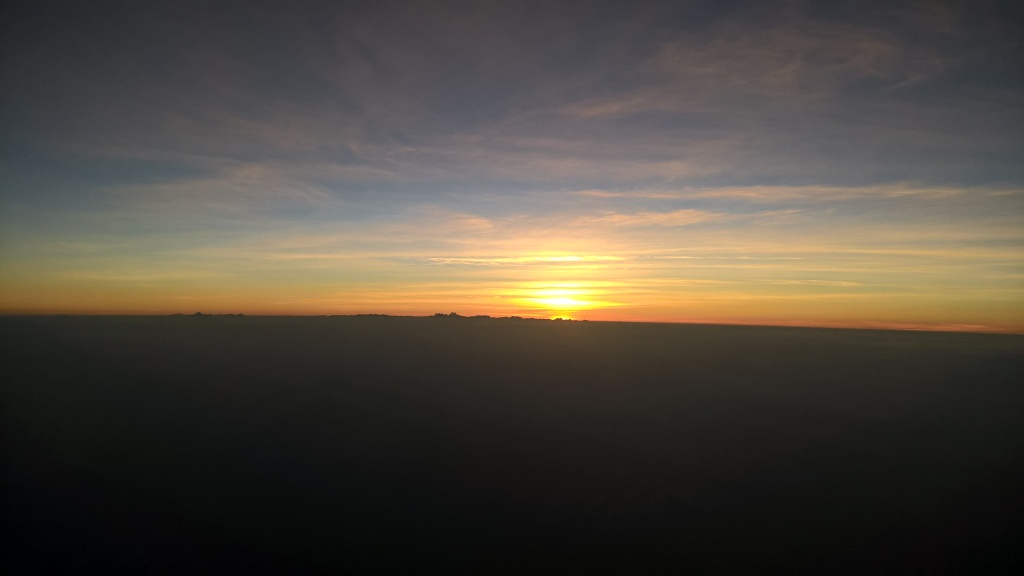
A new dawn for a cleaner greener future!

Photo credits: Blue Marble – courtesy NASA; New Dawn: From own archives. Statistics from internet, text in parts adapted from NASA.

Losing Steam

What may seem like harmless lifestyle habits may really be robbing you of your get-up-and-go.

Let’s face it: we all get more fatigued as we get older. It’s part of the aging process: we lose mitochondria (energy-producing engines in the cells) and we produce less adenosine triphosphate (ATP) — the molecule that delivers energy to cells throughout our body. Other causes of fatigue, such as medication side effects or chronic illness like depression or heart disease, can increase the feeling of tiredness or sluggishness.

But age- and disease-related factors aren’t the only drains on your energy. Your lifestyle habits may be to blame for some of your daily fatigue. The following energy zappers are common culprits that you can change.

Inactivity

We naturally lose muscle mass as we age. “If you have less muscle mass, you have fewer mitochondria and less ATP,” points out Dr. Marcelo Campos, a primary care physician with Harvard Vanguard Medical Associates in Boston. Being sedentary compounds the problem by weakening and shrinking muscles and causing them to use energy inefficiently.

Physical activity strengthens muscles, helps them become more efficient and conserve ATP, and increases the production of energy-producing brain chemicals. Don’t be intimidated by the recommendation of 30 minutes per day, at least five days per week, of moderate-intensity exercise. The 30 minutes can be spread out into several shorter periods. And you don’t need to break a sweat. “Whatever exercise you can do will help,” Dr. Campos says. “It can be simple, like climbing stairs or walking farther in a parking lot.”

Few minutes of Dhyana (meditation), Pranayama (simple deep-breathing), Yoga (a doable Suryanamaskar) will add immense value to your daily routine and enhances metabolism which in-turn improves overall health. Pick-up an active hobby, like Gardening. You will realise that in a month of working with plants, seeing them grow – producing flowers/fruits, the chirping of birds, butterflies and bees hovering around your green patch, brings much positivity and a sense of well-being.

Too much stress

Chronic stress can increase levels of cortisol, a hormone produced by the adrenal glands. “Cortisol reduces production of ATP and it increases inflammation, which also reduces ATP production,” explains Dr. Campos. However, stress-reduction techniques are associated with lower cortisol levels. Try yoga, mindfulness meditation, tai chi, breathing exercises, or guided imagery. Even 10 minutes per day can help. Take a walk in a park, see the greenery around, try walking barefoot on grass, deep breathe, and connect with nature.

A poor diet

If you’re not nourishing your body, you won’t have the vitamins and minerals necessary to produce enough ATP, and you’ll feel more tired. “Eating too much processed food can increase inflammation, which impairs the production of ATP and energy. Or, if you’re older and your appetite isn’t what it used to be, you may not give your body the calories and fuel it needs to function,” Dr. Campos explains. On the flip side, if you’re eating too much food at one time, that can cause blood sugar spikes and lead to fatigue.

The fix: eat whole foods, including vegetables, fruits, whole grains, and lean proteins like fish, chicken, nuts, and seeds. The fatty acids in protein-rich foods also help boost ATP. And aim for smaller meals with snacks in between to provide your body with a steady supply of nutrients and fewer blood sugar spikes.

Too little sleep

A lack of sleep increases cortisol and also promotes inflammation. If sleep issues are caused by sleep apnea (pauses in breathing during sleep), the dips in blood oxygen levels lowers ATP and energy.

Talk to your doctor about underlying problems that may rob you of sleep, such as health conditions (sleep apnea or frequent trips to the bathroom) or medication side effects.

And work on improving sleep hygiene: go to bed and wake up at the same time each day, and keep your room cool, quiet, and free of electronics, which stimulate your brain. Do what keeps your mind clutter free and happy. Develop a reading habit; books are our best friends.

Poor fluid choices

Drinking sugary carbonated drinks (soda-any colour/flavour) can cause blood sugar spikes followed by a drop that causes fatigue. Being dehydrated can also make you feel tired, as can drinking too much alcohol or caffeinated drinks near bedtime (alcohol interrupts sleep in the middle of the night). Healthy people need six to eight glasses of fluid per day, and more if they’re exercising. Avoid soda. “And stop drinking caffeine or alcohol within six to eight hours of bed,” Dr. Campos advises.

Social isolation

Being isolated — not seeing others on a regular basis — is associated with depression, and depression is linked to fatigue. “The power of interacting with other human beings and connecting with others can bring a different outlook and give you more energy. We are learning more about this. We probably produce different types of brain chemicals that make us happier and give us more energy when we connect to people,” Dr. Campos says. Resolve to get together with others at least once per week. It can be friends, family, neighbors, or even new acquaintances.

If you can, pick a cause or join a community that works on social welfare; it’s not necessary to be charitable to be public-spirited – a kind heart with an attitude to serve is good enough for a start.

When is low energy a problem?

“If fatigue is affecting your day,” says Dr. Campos, “or if fatigue is accompanied by any other symptoms like headache, muscle or joint pain, fever, or stomach or urinary problems, it’s time to see your doctor.”

Adapted fromhttps://www.health.harvard.edu/staying-healthy/losing-steam-avoid-these-energy-zappers

Published: April, 2019

Pearls and Tides

“We value teamwork”.

The most popular phrase in corporate circles. Scratch the surface and the dust clears; before it settles down, lets take a quick peek…

When the team works, there is camaraderie, sense of togetherness, and all those good things, but also there are those who may not be in sync with the performers within the team. While routine housekeeping, I stumbled upon John Murphy’s Pulling together, about extraordinary power of teamwork. An empowering word, indeed.

At the center of every high performance team is a common purpose — a mission that rises above and beyond each of the individual team members. To be successful, the team’s interests and needs come first. This requires “we-opic” vision, a challenging step up from the common “me-opic” mindset.

Effective team players understand that personal issues and personality differences are secondary to team demands. This does not mean abandoning who you are or giving up your individuality. On the contrary, it means sharing your unique strengths and differences to move the team forward. It is this “we-opic” focus and vision—this cooperation of collective capability—that empowers a team and generates synergy. A word of encouragement could open up to enhancing expertise or direct to acquiring a new skill or which in fact would improve the chances of team’s success.

Cooperation means working together for mutual gain—sharing responsibility for success and failure and covering for one another on a moment’s notice. It does not mean competing with one another at the team’s expense, withholding important data or information to “one up” your peers, or submitting to groupthink by going along so as not to make waves. These are rule breakers that are direct contradictions to the team-first mindset.

High performance teams recognize that it takes a joint effort to synergize, generating power above and beyond the collected individuals. It is with this spirit of cooperation that effective teams learn to capitalize on individual strengths and offset individual weaknesses, using diversity as an advantage. Unity, Trust, Credibility are lofty words interdependent with earthy ones, Support, Nurture, Stability. One set cannot work without the other – just how fresh legs do well with a mature mind; yet we turn to bulls in china shop and seldom see intelligence.

All the same, a leader is expected to share the successes as well as the failures, as co-operate is not just a term for getting the work done. Leaders set examples and expectations, diligence is a given, unless there are weeds that set off on a tangent and need to be, well, deweeded. When the team leader is honoured, the team does not automatically levitate to cloud-nine; communicate and share the accolades with each person of the team which enabled the win to sustain brightwork. Leaders are born, not often made; what’s not inherent cannot be taught; an old dog will learn new tricks when it comes to survival, and a young pedigree can bark and bite his way through when conditioned. Both are necessary for a team’s survival – a balance of experience and spunk.

Sustained teamwork is not impossible, “You must be careful how you walk, and where you go, for there are those following you who will set their feet where yours are set” – Robert E. Lee

A word or two of encouragement does wonders, but sharing of treats does enhance the ‘self’ multifold. Read confidence, esteem, and worth; now re-read with self as a prefix. Fantastic? Now, another scenario – team starves while leader is overfed, then find the same super team ridden with resentment, insubordination, indiscipline and worse still – rude behaviour. Go ahead, recognize leaders and flood with treats, but encourage the team and share the spoils.

Almost all employees, if they see that they will be listened to, and they have adequate information, will be able to find ways to improve their own performance and the performance of their small group – James O’Toole

In a team, the one on top need not be the leader; the one at the bottom needn’t be a pallbearer. It could just be the one clinking cymbals setting pace, or the one singing, directing the flow!

Companies must realise, that the one talking the most, or the loudest isn’t the best. Oysters make and hold pearls at the bottom of an ocean, while tides ebb and flow all day. The tides’ energy is insatiable and useful but must be harnessed to be useful; pearls are precious and treasured – both in its own world and .

A Leader would know – the value of cumulative power and distinctive brilliance.

Indoor Air Quality

a note on how IAQ impacts health, immunity and COVID

  • The newCoronavirus has certainly had a worldwide impact.
  • It has become more important now to ensure higher levels of hygiene at our homes and offices.
  • Indoor air quality is directly correlated with respiratory health and immunity.
  • It has been documented that bad indoor air quality can enhance Covid-19 risk, especially among elderly and those with pre-existing respiratory problems.

Tips to improve Indoor Air Quality

Keeping it clean –

  • Avoid floor covering, if you have wall-to-wall carpets then vacuum once a week at least.
  • False ceilings, panel boards, plastic-plasters, etc., are dust traps; made of artificial gypsum, the heavy metals and chemicals that leach into the air can be troublesome, especially upper respiratory system..
  • Regular cleaning of bedding, sheets, drapes, cushions, is necessary; with pets at home, frequency may be increased.
  • Most window blinds, and furnishings, made of base plastic/synthetic fibers, are not desirable since they harm the earth and all living beings; bamboo / wooden chik blinds or furnishings of natural fibers may be used instead. These too must be dusted / vacuumed / washed periodically.
  • Clear the clutter. Items lying around gather dust and if left uncleaned will attract dust mites which affect the health. Dusting and wet cleaning once a while keeps mites away.

Aerosols –

  • Aerosol products come in many varieties – spray, deodorant, paint, e-cigarette, and cleaning liquids are just a few that release nanoparticles into the air.
  • Eliminating using such products can keep the air free of pollutants. Even if the air appears clear, tens of millions of air-suspended solid particles and liquid droplets get inhaled. Despite their minute size, they have major impact on our health and our climate.
  • Paints have volatile organic compounds that release toxins and particles of heavy metals into air by evaporation. Choosing products with zero VOC is one part, keeping indoors naturally ventilated is ideal.

Ventilation –

  • Improved ventilation, less mechanical more natural, is recommended to improve air quality.
  • Efficient buildings are oriented in right direction, designed to allow light and fresh air, cutting off heat. Natural ventilation.
  • Air-conditioners permit just 1/5th of fresh air per hour necessary for good health. Increased usage causes fatigue, breathing troubles, dehydrated skin and sinusitis. Filters and drip pans need periodical cleaning and replace when worn-out, which also improves product’s efficiency and energy management.
  • Air purifiers, and Dehumidifiers are effective, but consume energy and require frequent maintenance too.
  • Smoke particles get trapped into furniture, furnishings and indoor fabrics. Micro carbon and sulphuric compounds pollute indoor air causing cancer.

Houseplants –

  • Few Houseplants are considered beneficial in eradicating toxins and increasing oxygen indoors.
  • Plants should not be over-watered because constant damp soil could promote the growth of microorganisms which affect allergic individuals.
  • Sunning the plants periodically, keeps them healthy.

Pets –

  • Dander and fur too could affect air quality. Pets need to be cleaned regularly and rid of excess fur. Take care of their health which could affect overall IAQ.

Plug leaks –

  • Leaking appliances not only drip water, but also promote growth of mold and bacteria – which cause respiratory illnesses like asthma among others. Plug the leaks to promote life of the appliances and good health of self.

Natural ventilation improves air circulation and enhances indoor air quality by reducing indoor pollutants in all seasons. Graded vegetation (tall/medium/short trees, shrubs, creepers, climbers) outside the home is pleasing to the eye, invites a large amount of fauna; tall trees not only keep indoors cool but also mitigate pollution. Shaded windows too keep the summer heat away! (and that’s another topic, coming up)

Keeping doors and windows open as much as possible – is recommended to avoid immune inhibiting causes, that aids in fight against newCoronavirus as well – while washing hands regularly with soap and water, social distancing, and maintaining good personal hygiene are all added bonus to this end.

While this piece is being written, 9.5 lakh people are infected worldwide, increasing by the tens of thousands each day; 48k have succumbed, majority of them elderly and vulnerable with pre-existing health conditions (diabetes, heart, renal, asthma, high bp, etc). There is no known medicine yet, and a vaccine (though under human trials in many countries) is many months away. enhancing immunity or maintaining a good health is imperative to keep COVID-19 at bay. Eating whole-cooked vegetarian food does help, as does robust hygienic practices.

Prevention is best, immunity is the key

Sources: NASA, HBS, EPA, DTE, WHO, Worldometers, Mohfw